
Metallic taste in mouth: causes, dental links, and how to get rid of it
A metallic taste in mouth can be unpleasant, worrying, and confusing. Patients often describe it as a taste in mouth like metal, a lingering bitterness, or a constant strange flavour that does not go away with brushing. For some, it comes and goes. For others, it becomes persistent and starts to affect eating, drinking and overall quality of life.
At Avenue Dental Practice, we regularly see patients who mention a metal taste in mouth during routine dental check-ups or emergency appointments. While this symptom is often harmless, it can sometimes point to an underlying dental or medical issue that needs attention.
This article explains what causes a metallic metal taste in mouth, how dental health can play a role, and most importantly, how to get rid of metallic taste in mouth safely and effectively.
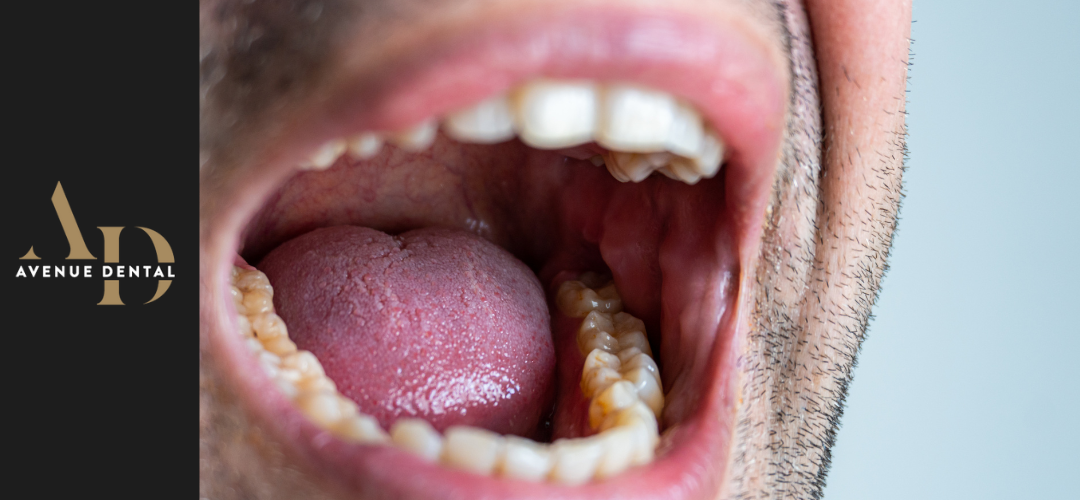
What does a metallic taste in mouth feel like?
Patients describe this sensation in different ways, including:
- a constant taste in mouth like metal
- a bitter or rusty flavour
- food tasting “off” or different
- a lingering metallic aftertaste
This metallic taste in mouth can affect one side of the mouth or the whole oral cavity. It may be worse in the morning, after eating, or when the mouth feels dry.
Is a metal taste in mouth always dental?
No, but dental causes are common and often overlooked.
A metallic metal taste in mouth can come from:
- dental issues
- oral hygiene problems
- dental materials
- infections or inflammation
- systemic or medical factors
Dentists are often the first professionals to spot local causes because the mouth provides visible clues.
This is why routine dental check-ups are important even when symptoms seem minor.
Dental causes of metallic taste in mouth
1. Gum disease and inflammation
One of the most common dental causes of a metal taste in mouth is gum disease.
Inflamed gums may bleed slightly, even if you don’t notice it. Blood has a metallic flavour, which can cause a persistent taste in mouth like metal, especially after brushing or flossing.
Professional cleaning through dental hygiene care can significantly reduce inflammation and often resolves the taste completely.
2. Dental infections or abscesses
Infections in teeth or gums can produce pus and bacteria that alter taste.
Patients with infection may notice:
- metallic or bitter taste
- bad breath
- localised pain or swelling
If a metallic taste in mouth appears suddenly and is accompanied by pain, this should be assessed urgently through an emergency dentist appointment.
3. Old or failing dental restorations
Crowns, fillings, or bridges that are worn, leaking or damaged can contribute to a metal taste in mouth, particularly if older metal-based materials are present.
Small gaps allow bacteria to collect, producing compounds that cause a metallic metal taste in mouth.
A clinical examination can identify whether restorations need adjustment or replacement.
4. Poor oral hygiene
Plaque build-up on the tongue, teeth or gums can change how your mouth tastes.
If cleaning is inconsistent or difficult due to crowding, staining or sensitivity, bacteria may accumulate, causing a taste in mouth like metal.
This is often resolved with improved home care and regular professional cleaning.
Non-dental causes dentists often notice
Although dentists focus on oral health, we are trained to recognise when symptoms may point beyond the mouth.
Dry mouth (xerostomia)
Reduced saliva flow alters taste and allows bacteria to thrive.
Dry mouth can be caused by:
- dehydration
- stress
- certain medications
- mouth breathing
Saliva is essential for neutralising acids and washing away bacteria. When it’s reduced, a metallic taste in mouth becomes more noticeable.
Medication-related taste changes
Many prescription and over-the-counter medications list altered taste as a side effect.
This can include:
- antibiotics
- blood pressure medication
- antidepressants
Patients often report a metal taste in mouth starting soon after a new medication is introduced.
Sinus and upper respiratory issues
Post-nasal drip or sinus infections can cause a metallic metal taste in mouth, particularly when mucus drains into the throat.
Dentists may identify this when oral health appears otherwise normal.
Metal taste in mouth and nervous patients
Anxiety can amplify oral sensations. Nervous patients often become more aware of taste changes, dryness or discomfort.
At Avenue Dental Practice, we support anxious patients through our care for nervous patients, which helps reduce stress-related symptoms that may worsen taste disturbances.
How to get rid of metallic taste in mouth
The correct approach depends on the cause, but there are effective steps that help most patients.
Professional dental steps
- full oral examination
- gum health assessment
- hygiene treatment if needed
- review of existing dental work
These are usually addressed during a dental visit rather than guessed at home.
At-home measures that support improvement
- drink plenty of water
- clean the tongue gently
- avoid alcohol-based mouthwash
- maintain consistent brushing and flossing
These steps support saliva flow and reduce bacterial build-up.
When metallic taste in mouth needs urgent care
Seek urgent dental advice if a metal taste in mouth is combined with:
- pain
- swelling
- fever
- bad breath that worsens
- bleeding gums
An emergency dentist assessment can identify infection early and prevent complications.
Why regular dental check-ups matter
Many causes of metallic taste in mouth develop gradually.
Routine dental check-ups allow your dentist to:
- monitor gum health
- assess restorations
- detect early infection
- identify hygiene issues
Patients are often surprised to learn that their taste problem has a straightforward dental explanation.
How dental hygiene treatment helps
Professional cleaning removes plaque and calculus that cannot be removed at home.
This:
- reduces inflammation
- lowers bacterial levels
- improves breath and taste
Regular visits with a dental hygienist are one of the most effective ways to prevent a recurring metal taste in mouth.
Metallic taste in mouth and implants or crowns
Patients with dental implants or crowns sometimes worry that metal materials are causing the taste.
Modern dentistry uses biocompatible materials designed not to affect taste. When taste changes occur, it is usually due to:
- inflammation
- hygiene issues
- adjacent gum problems
A clinical assessment helps rule this out and reassure patients.
Why you can trust our advice
- Our clinicians see taste-related complaints regularly in both routine and emergency care.
- We assess dental, oral and functional causes, not just symptoms.
- Our advice is based on clinical examination and evidence-based dentistry.
- We explain findings clearly and only recommend treatment when necessary.
Learn more about our practice here: Avenue Dental Practice.
Final thoughts
A metallic taste in mouth, metallic metal taste in mouth, or taste in mouth like metal is rarely something to ignore when it persists. While many causes are mild and reversible, dental health plays a major role in identifying and resolving the issue.
At Avenue Dental Practice in Leamington Spa, we take a calm, thorough approach to symptoms like this. Whether the cause is hygiene-related, mechanical or linked to underlying dental health, a professional assessment can usually provide clarity and relief.
If you’re unsure why a metal taste in mouth has appeared, or you’d like reassurance, a routine dental visit is often the simplest next step.
Medical and dental information disclaimer
The information provided in this article is intended for general dental guidance and educational purposes only. While we aim to offer accurate and up-to-date advice, it should not be used as a substitute for a professional dental examination, diagnosis, or treatment.
Oral health conditions can vary significantly from person to person. If you are experiencing ongoing symptoms, pain, swelling, or any concerns about your dental health, a face-to-face consultation with a qualified dental professional is essential.
For urgent dental problems, severe symptoms, or concerns that require immediate attention outside normal hours, please contact NHS 111 for advice and guidance.
Frequently asked questions
Often no, but persistent symptoms should be checked.
Yes. Bleeding and inflammation commonly cause metallic flavours.
It depends on the cause. Dental causes often resolve after treatment.
Stress can worsen dry mouth and awareness of taste changes.
If symptoms last more than two weeks or worsen, book an appointment.

