How to decide if crowns are right for you
As dentists, we know it can feel worrying to commit to a treatment that permanently changes your teeth. If you’ve been told you may need a crown, you might already be searching for the disadvantages of dental crowns and wondering whether there are better options for you.
At Avenue Dental Practice in Leamington Spa, our aim is always to give you clear, honest information so you can make a confident decision about your smile. This article explains what crowns are, the main downsides to be aware of, and the alternatives that may be suitable in some cases.
It’s based on current guidance from respected organisations such as the Oral Health Foundation and the NHS, which highlight when crowns are useful and the risks you should know about.
What is a dental crown?
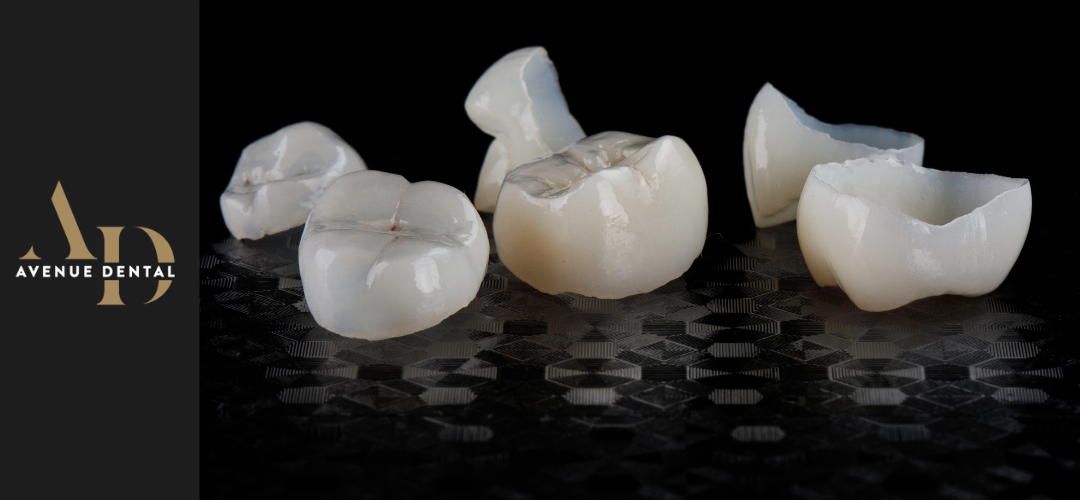
A dental crown is a custom-made “cap” that fits over a tooth to restore its shape, strength and appearance. Crowns are commonly recommended when:
- A tooth is broken, cracked or badly worn
- There is a very large filling and little natural tooth left
- A tooth has had root canal treatment and needs extra protection
- You want to improve the look of a tooth (for example, severe discolouration or an odd shape)
- A tooth is used to support a fixed bridge replacing missing teeth
At Avenue Dental Practice, our crowns are custom made to match your bite and your smile, using high-quality materials such as ceramic, porcelain fused to metal or zirconia.
Crowns can be a very successful, long-term solution – but like any treatment, they are not perfect. Understanding the disadvantages of dental crowns will help you weigh up whether they’re right for you.
The main disadvantages of dental crowns
1. Crowns require irreversible tooth preparation
To fit a crown, your dentist needs to reshape the tooth by removing a layer of enamel (and sometimes dentine) all the way around. This is done carefully and under local anaesthetic, but once that tooth structure has been removed, it cannot grow back.
Professional bodies in the UK stress that removing healthy enamel and dentine can carry a risk of irritation to the nerve inside the tooth and may affect the long-term health of the tooth if not planned correctly.
What this means for you:
- A crown is a permanent decision – you cannot later “go back” to a simple filling on that tooth
- Future repairs will usually involve replacing the crown rather than doing a small, inexpensive filling
- In some cosmetic cases, a more conservative option such as composite bonding or a veneer might be preferable, especially on younger teeth
Before recommending a crown, our dentists at Avenue Dental Practice will always assess whether a less invasive treatment could achieve a safe and stable result for you.
2. Possible sensitivity or nerve problems
It’s quite common to have some sensitivity to hot and cold after a crown has been fitted. This usually settles down, but in a minority of cases the nerve inside the tooth may become inflamed or die off over time, meaning root canal treatment – or even extraction – could be needed in future.
Why this happens:
- Tooth preparation can bring the crown closer to the nerve
- Existing deep decay or cracks may already have weakened the nerve
- Grinding or clenching can put additional stress on crowned teeth
How we reduce this risk at Avenue Dental:
- Thorough X-rays and checks before we recommend a crown
- Careful planning for teeth that are already heavily filled or cracked
- Discussing whether root canal treatment before crowning a tooth might be sensible in some situations
- Advising on mouthguards if you clench or grind your teeth
If you notice persistent pain, throbbing or prolonged sensitivity after any crown work, it’s important to see a dentist promptly. Our emergency dentist in Leamington Spa can usually see you quickly if you are worried.
3. Crowns do not last forever
Modern crowns are strong, but they are still subject to everyday wear and tear. Research and NHS leaflets suggest that crowns typically last 5–15 years, sometimes longer, depending on the material used, your bite and how well you care for them.
Common problems over time include:
- Chipping or cracking of porcelain
- Crowns becoming loose or coming off
- Wear at the edges where the crown meets the natural tooth
- The crown no longer matching surrounding teeth if your natural teeth change colour
At that point, the crown usually needs to be repaired or replaced, which involves more time and cost.
The good news is that with good oral hygiene, a sensible diet and regular check-ups, many people keep their crowns for well over a decade. At Avenue Dental Practice we’ll show you exactly how to look after your crown, and we’ll monitor it during your routine visits so we can catch any issues early.
4. Risk of decay and gum problems around the crown
One of the less obvious disadvantages of dental crowns is that they can make cleaning slightly more challenging. Plaque can collect where the edge of the crown meets your natural tooth, especially near the gumline. If that plaque is not removed, you are at higher risk of:
- Decay at the margin of the crown
- Gum inflammation (gingivitis)
- Over time, gum disease and bone loss around the tooth
UK guidance on oral health emphasises meticulous daily plaque control for patients who have crowns or bridges, along with regular professional cleaning.
How we help you manage this:
- Showing you the best way to floss or use interdental brushes around your crown
- Recommending fluoride toothpaste and sometimes additional fluoride products where appropriate
- Regular hygiene visits at Avenue Dental Practice so we can clean around and under the crown edges
- Monitoring your gums carefully so small problems don’t become big ones
5. Possible metal allergy or grey lines at the gum
Some crowns contain metal (for example, porcelain fused to a metal core, or gold alloy). This is still a very safe and well-tested option, but in a small number of people, metal allergies can cause irritation or soreness, and certain metals can show as a dark line at the edge of the gum.
If you have a known metal allergy or you are very concerned about the appearance of your gumline, your dentist can usually recommend a metal-free crown material such as all-ceramic or zirconia. At our Leamington Spa crown clinic, we’ll talk you through the pros and cons of each material for your specific tooth.
6. Cost and time commitment
Compared with a simple filling, a crown is a more complex treatment. It usually involves:
- At least two appointments (sometimes more)
- High-quality laboratory work to make your custom crown
- More chairside time for your dentist
Because of this, crowns cost more than fillings and some other options. If a crown fails in future, there are further costs for repair or replacement.
We recognise that cost is an important factor when you’re weighing up the disadvantages of dental crowns. At Avenue Dental Practice we are always transparent about fees and happy to explain what is essential, what is optional, and what alternatives might exist within your budget.
7. Risks of poorly planned or rushed treatment
Crowns are highly technique-sensitive. When they are not planned or fitted properly – for example, when corners are cut or when large amounts of tooth tissue are removed unnecessarily – the results can be disappointing and even harmful.
UK data on dental tourism has highlighted that crowns are one of the treatments most likely to need follow-up or corrective work when done in settings that don’t follow UK standards.
Possible issues include:
- Crowns that are too bulky, trapping plaque and irritating the gums
- Poor bite alignment, leading to jaw discomfort or wear on other teeth
- Over-prepared teeth that are more likely to need root canal treatment later
Being treated at a careful, patient-focused clinic such as Avenue Dental Practice in Leamington Spa means your crowns are planned with your long-term oral health in mind, not just the quickest cosmetic result.
Are there alternatives to dental crowns?
Crowns are often the best option for teeth that are badly broken down or heavily filled, but they are not the only choice. Depending on your case, our dentists may also discuss:
- Tooth-coloured fillings or composite bonding – suitable for smaller chips or cavities
- Inlays and onlays – partial coverings that preserve more natural tooth than a full crown
- Veneers – for some cosmetic issues affecting only the front surface of the tooth
- Root canal treatment plus a more conservative restoration – in certain situations
- Bridges or implants – if the tooth is not restorable and needs to be removed
If missing teeth are part of the problem, we may recommend a bridge. You can read more about how bridges work on our dedicated page: dental bridges at Avenue Dental Practice.
Our approach is always to start with the least invasive option that can still give you a predictable, long-term result. That is a key part of ethical, evidence-based dentistry.
When is a crown still the best option?
Despite the disadvantages, crowns often offer the most reliable way to:
- Save a tooth that might otherwise crack or be lost
- Protect a tooth after root canal treatment
- Restore teeth you rely on for chewing
- Support a bridge replacing missing teeth
- Transform the appearance of very damaged front teeth
The key is careful case selection. At Avenue Dental Practice’s crown service, we consider:
- How much healthy tooth is left
- The health of the nerve and surrounding bone
- Your bite, habits and jaw joints
- Your age and long-term treatment plan
- Your cosmetic goals and budget
Only once we’ve weighed these factors will we recommend a crown – and we will explain clearly why it’s being suggested and what other options exist.
How Avenue Dental Practice supports you
Choosing a crown does not have to feel daunting. Our experienced clinicians combine up-to-date scientific evidence with many years of practical experience in restorative dentistry. We follow national guidance on prevention, materials and infection control, and we invest in ongoing training so your treatment is planned using current best practice.
When you see us at Avenue Dental Practice in Leamington Spa, you can expect:
- A relaxed, unhurried consultation
- Clear explanations with models and photos where helpful
- A written treatment plan and transparent fees
- Time to ask as many questions as you like
- Support if you are nervous or have had a bad experience elsewhere
If you ever have pain, a broken crown or sudden swelling, our emergency dental service in Leamington Spa is here to help.
Ready to talk about your options?
If you’ve been told you may need a crown – or you’re worried about an existing one – we’re here to help.
Contact Avenue Dental Practice in Leamington Spa to book a consultation. We’ll examine your teeth carefully, explain all the risks and benefits in plain English and help you choose the treatment that best suits your health, your smile and your budget.
FAQs about the disadvantages of dental crowns
Not necessarily. Crowns do involve permanently reshaping your tooth, and there are risks such as sensitivity, decay at the margins and eventual replacement. However, when a tooth is already very weak, a well-planned crown can actually protect it and keep it in your mouth for many more years.
The key is to use crowns only when they’re genuinely needed and to look after them with excellent oral hygiene and regular check-ups at a trusted practice such as Avenue Dental Practice.
Yes, it can, although most crowns are comfortable. Toothache may occur if:
- The nerve inside the tooth becomes inflamed or dies off
- Decay develops at the edge of the crown
- The bite is slightly high, putting extra pressure on the tooth
If you develop pain, swelling or a bad taste around a crowned tooth, you should see a dentist promptly. Early treatment often makes the outcome much better. Our emergency dentist in Leamington Spa can assess whether you need a simple adjustment, further treatment or, in rare cases, a new crown.
On average, crowns last around 5–15 years, though many last longer with good care. Factors that affect lifespan include:
- The material used
- How much tooth was left underneath
- Your brushing, flossing and diet
- Whether you grind or clench your teeth
- Whether you attend regular dental and hygiene visits
At Avenue Dental Practice we will monitor your crowns and let you know when repair or replacement is advisable, rather than waiting until they fail.
Yes. We may advise against a crown if:
- Your oral hygiene is very poor and decay is not under control
- There is extensive untreated gum disease
- You are very young and the tooth could be managed more conservatively
- The tooth is so badly decayed or fractured that a crown would not last
In those situations, we might first focus on stabilising your oral health, or we may discuss alternatives such as fillings, inlays/onlays, bridges or extraction with possible replacement options. Our bridge treatment page explains how we can restore gaps if a tooth cannot be saved.
You can significantly reduce the downsides by:
- Choosing an experienced, evidence-based practice such as Avenue Dental Practice
- Following all advice on brushing, flossing and cleaning around the crown
- Attending regular check-ups and hygiene visits
- Wearing a nightguard if you grind your teeth
- Avoiding very hard foods and using your teeth as “tools” (for opening packets, biting pens, etc.)
Most importantly, ask questions. Understanding both the advantages and disadvantages of dental crowns will help you feel in control of your treatment.

